One Film at Home or a Double Feature at the Cinema?
Compare one film at home with a cinema double feature, and choose the evening that gives each film room to leave its mark.
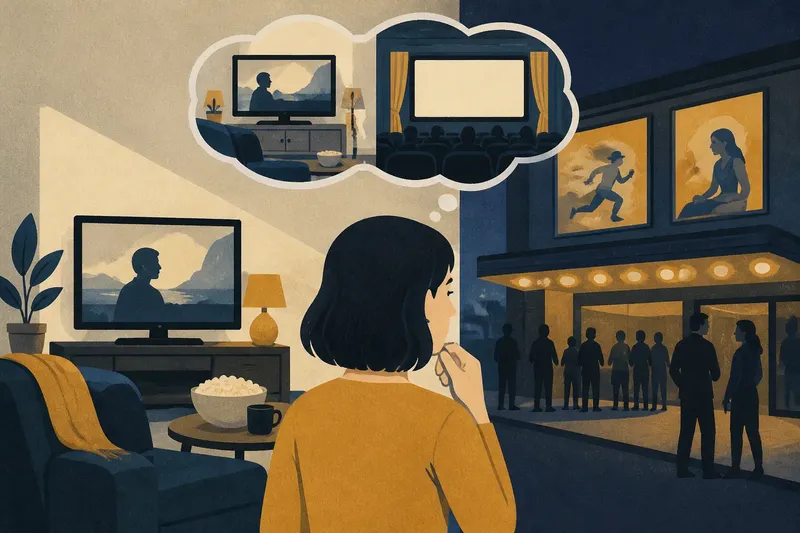
A double feature changes how you watch both films: the first becomes part of an evening with a second act, while the second arrives carrying the first in your memory. One film at home gives that title the whole stretch of attention, but a cinema pairing can make contrasts, echoes and shifts in mood more vivid.
The better choice depends less on how many films you can fit in than on what you want from them. Consider the connection between the titles, the break between screenings and whether you want to sit with one film’s ending or let another film answer it.
What changes in a double feature?
A double feature turns two separate films into a sequence. You do not have to treat them as a formal story, but the order and the gap between them shape what you notice. A quiet scene in the second film may feel especially spare after a noisy opener; a recurring image can seem like an echo even when the films were made independently.
That extra layer can be rewarding, but it also changes the first film. If you know another screening is coming, you may hold back from lingering over the credits or discussing the ending. The first title becomes both a complete experience and the opening movement of a longer evening.
A single-film night has a cleaner boundary. The film can gather your attention without needing to make space for a follow-up, and its ending can remain the last thing you carry out of the room. At home, you can pause for a drink or let the final scene settle without worrying about a scheduled start elsewhere.
How should the films be paired?
Pair films by choosing a relationship you will enjoy noticing, not by demanding that they match on every level. A contrast can be as useful as a resemblance: two films might approach a family gathering with different tones, or use very different settings to explore isolation. The connection gives your attention a thread without turning the evening into a quiz.
Try one clear link, such as a shared genre, location, performer or storytelling device. Too many links can make the choice feel like homework; none at all is fine if you simply want variety. The pairing works best when each film still sounds appealing on its own.
Order also matters. A lively, accessible film can ease you into the evening before a slower or more demanding one. Reversing that order may suit a pair where the second title offers release after a tense first film. Think about the effect you want from the final screening, because that is the film most likely to colour your journey home.
Say you choose an invented pairing: a brisk caper followed by a deliberately unhurried character drama. If you place the caper first, you can let its momentum carry you into the cinema, then give the drama a quieter space after the interval; the expected result is a noticeable change in pace rather than a contest over which film is “better”. If you want to leave on a buoyant note, reverse the order.
Is one film better at home?
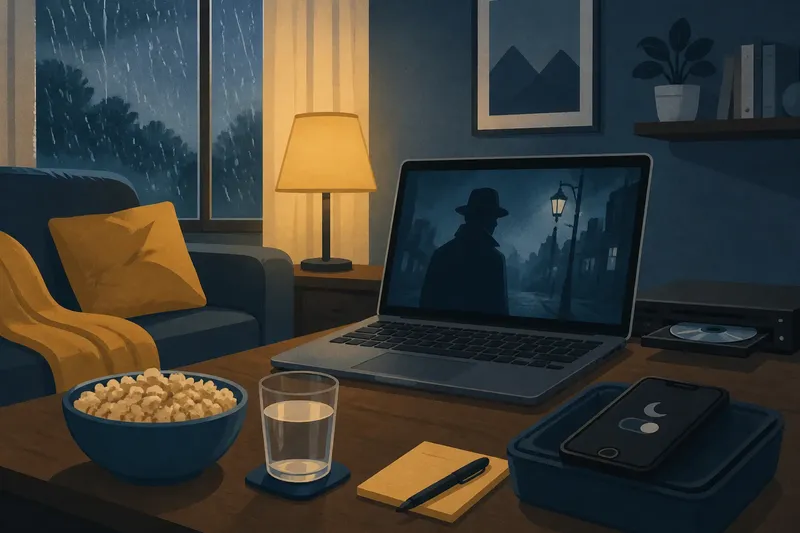
One film at home is a strong choice when you want control over the pace and surroundings. You can turn off notifications, dim the lights and choose a comfortable volume without needing to fit a second screening into the evening. A pause can help if you need one, though frequent interruptions may break a film’s rhythm.
Home viewing also makes the ending easier to hold on to. You can stay in the room, replay a scene if the service permits, or move straight into a conversation without crossing a lobby. That closeness can suit a film whose details you want to follow carefully, or a title that leaves you wanting silence rather than another story.
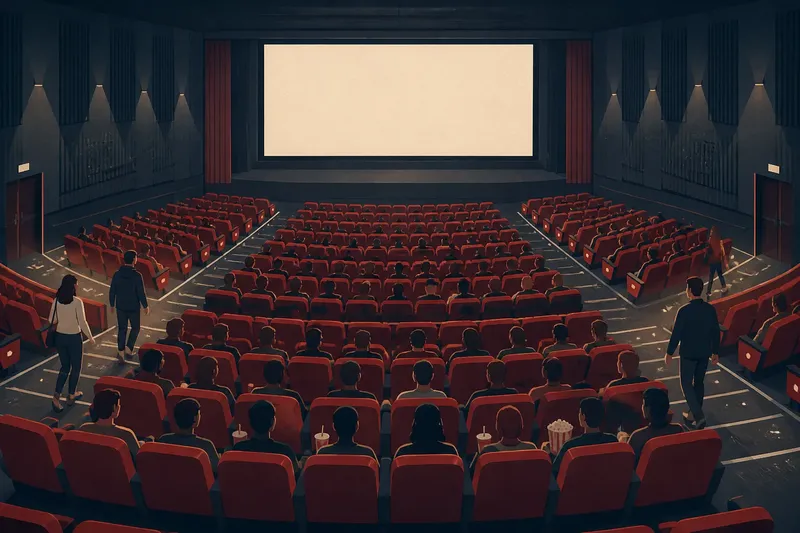
The cinema offers a different kind of concentration. The darkened room, shared attention and fixed screening time make it easier to remain with a film without tending to household distractions. A double feature adds the energy of a public event, but it asks you to give up some control over timing and comfort.
Neither setting automatically improves a film. A sprawling story may benefit from a large screen, while a subtle performance can hold your attention in a quiet living room. Choose the setting for the qualities you value in that particular viewing, rather than treating either option as the more serious way to watch.
How long does the evening feel?
A double feature takes more than the combined running times. Allow for the break between screenings, arriving before the first starts, and any wait for the next film. The cinema’s listing should make the programme and interval clear; check it before making plans, especially if you need to catch a particular train or bus.
The break is not dead time. It can reset your attention, give you a chance to talk or help you notice how your response to the first film is changing. A short interval may keep the pair connected, while a longer one can make the second screening feel like a fresh event. Either can suit the programme, but a break that feels too rushed can leave you distracted.
At home, a single film usually leaves the rest of the evening open. That flexibility does not mean the film will feel shorter or less absorbing; it means you can choose when to begin and what to do afterwards. If you want to avoid drifting into another screen, decide in advance whether the credits will be the end of the night or a cue for a planned activity.
What should you check before going?
- Programme order: Check which film screens first and decide whether that sequence suits the mood you want at the end.
- Break length: Look for an announced interval and consider whether it leaves time to stretch, visit the foyer or talk.
- Travel home: Check your return options after the second screening, not only the time the programme begins.
- Film familiarity: If one title is new to you, decide whether you want to meet it fresh or see it in conversation with its companion.
- Attention: Consider whether you are keen for a full evening of watching or would rather give one film your undivided focus.
- Company: Agree on the pairing with your companion before booking, so the break is not spent negotiating what comes next.
Use the answers to make a simple choice: book the pairing if the films and the full evening both appeal; choose one film if the second title feels like an obligation. A double feature is not more worthwhile merely because it contains more cinema.
How do you remember each film?
Two films can sharpen one another in memory. You may recall how each used silence, how their endings differed, or how a familiar genre changed tone between screenings. That comparison can make details easier to discuss, though it may also blur the emotional aftertaste of the first film if the second is especially forceful.
One-film viewing leaves a more direct route from the screening to reflection. You can write down a scene, talk about a character or simply let the story sit without immediately sorting it against another. This can be useful when you want to remember a film on its own terms rather than as half of a programme.
If you attend a double feature, keep the comparison light. After each film, name one detail that stayed with you: a sound, a change in performance or the way a scene ended. You do not need to rank the films or invent a hidden connection. A small observation can preserve each film’s distinct character while still letting the pair speak to one another.
Which option suits your mood?
Choose a double feature when you want an occasion built around cinema, enjoy comparing films and have the time and energy to stay attentive through both. A strong pairing gives you a reason to see the titles together, but simple curiosity about each one is reason enough.
Choose one film at home when you want flexibility, a quieter ending or the freedom to give a single story the whole evening. You can also choose one cinema screening if the shared room matters but a second film would turn pleasure into endurance.
For one film at home or a double feature at the cinema, let the intended after-effect guide you. If you want to leave with a pair of films in conversation, book the programme; if you want one ending to remain unaccompanied, keep the evening to a single title. A good choice is the one that leaves you alert to what the film did, rather than counting how much viewing you completed.